Malvaceae
Brachychiton rupestris - Queensland Bottle Tree
Brachychiton rupestris - Queensland Bottle Tree
Couldn't load pickup availability
Share
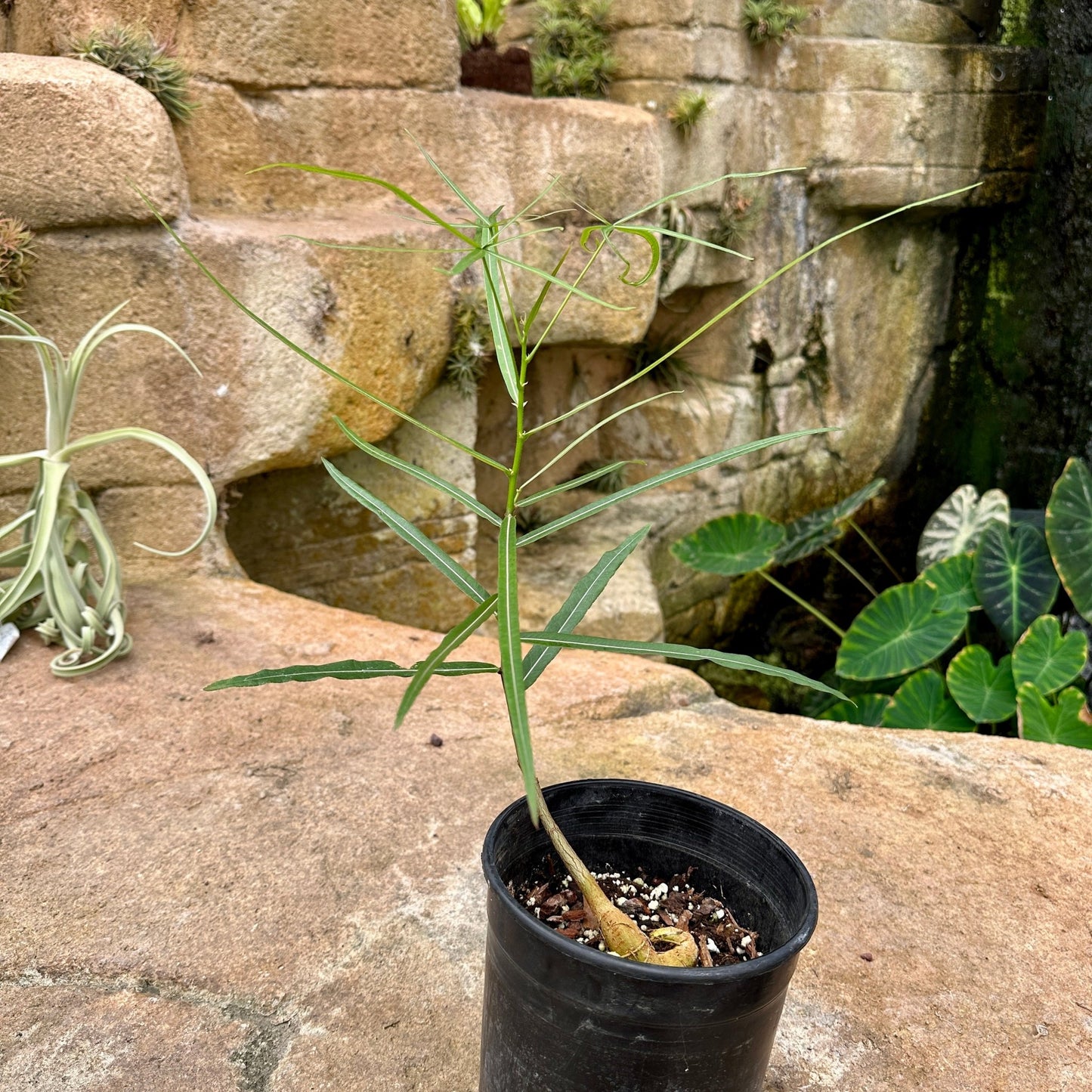
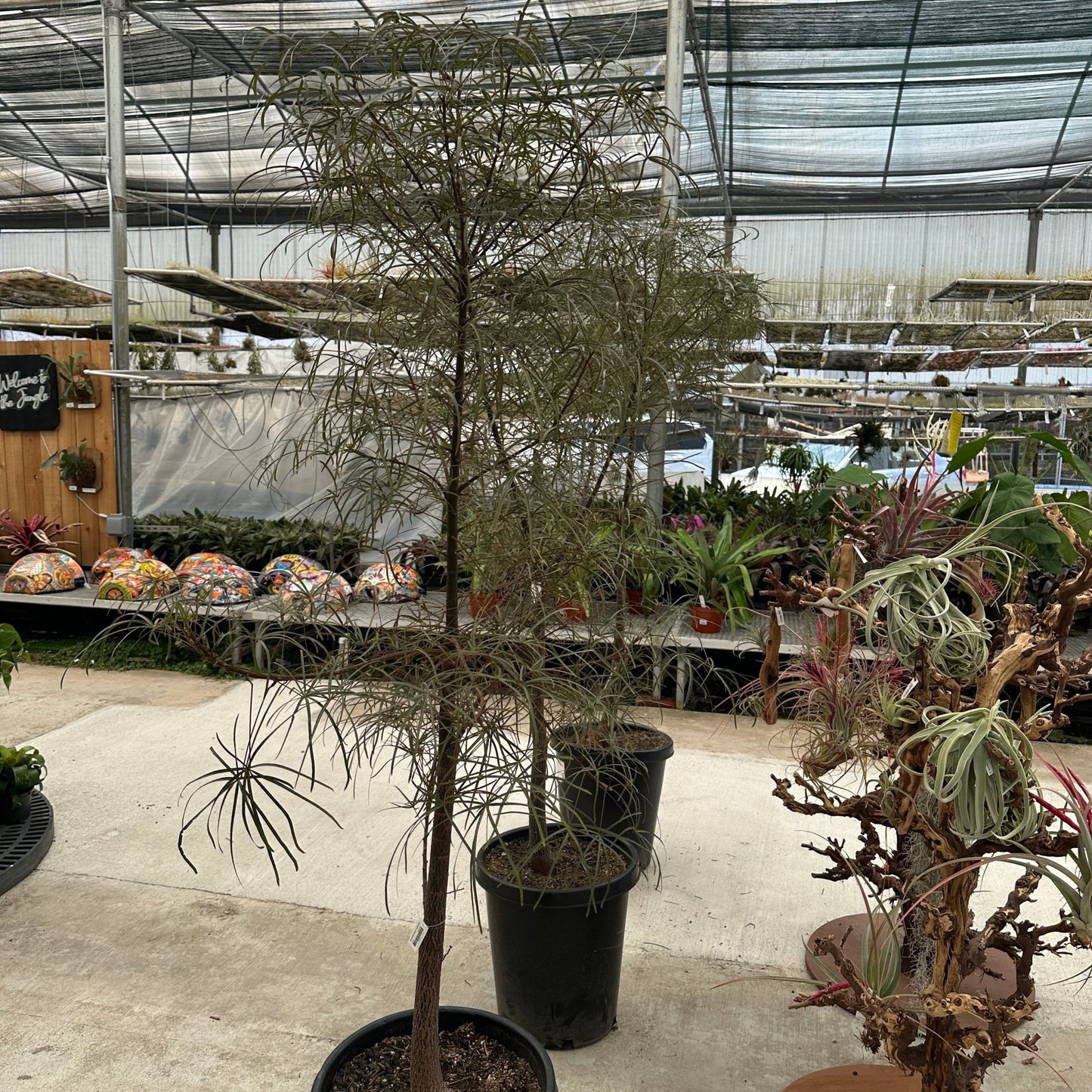
The Queensland Bottle Tree (Brachychiton rupestris) is an iconic Australian native, instantly recognizable for its unique, swollen trunk that stores water. A slow-growing, drought-tolerant caudiciform, it makes an unforgettable statement as a landscape tree or a striking bonsai specimen.
Plant Details:
· Botanical Name: Brachychiton rupestris
· Common Names: Queensland Bottle Tree, Narrow-leaved Bottle Tree, Australian Bottle Tree, Kurrajong
· Family: Malvaceae
· Type: Semi-deciduous tree (Caudiciform)
· Native Range: Queensland, Australia
· Mature Size (Outdoors): 15-25 m (50-82 ft) tall, with a canopy spanning 5-12 m
· Mature Size (Container): Can be kept much smaller with pruning; a slow grower
· Growth Habit: Upright, with a distinctive, swollen, bottle-shaped trunk
Care Instructions
Light:
For the best growth, provide full sun. In very hot climates, it can tolerate a little afternoon shade, but ample light is essential for a healthy, compact form.
Water:
Drought-tolerant once established. Water young trees more frequently until their roots are established. For potted plants, water deeply but allow the soil to dry out between waterings. During the winter, water very sparingly. Avoid overwatering, as this can lead to root rot.
Soil:
Requires excellent drainage. A well-draining sandy or loamy soil is ideal. It can tolerate a variety of soil types, including poor soils, as long as they do not become waterlogged.
Temperature:
Extremely adaptable. It can tolerate temperatures as low as 35°F (2°C) for short periods. For potted plants, the ideal indoor temperature is between 59°F to 77°F (15°C to 25°C). Protect from strong winds.
Fertilizer:
Feed with a balanced, slow-release fertilizer (like a 10-10-10) in early spring. For potted plants, you can also use a diluted liquid fertilizer every few months during the growing season.
Pruning:
Prune to shape the plant and remove any dead or damaged branches. This can also help maintain a desired size, especially if growing it in a container or as a bonsai.