Apocynaceae
Hoya parasitica
Hoya parasitica
Couldn't load pickup availability
Share
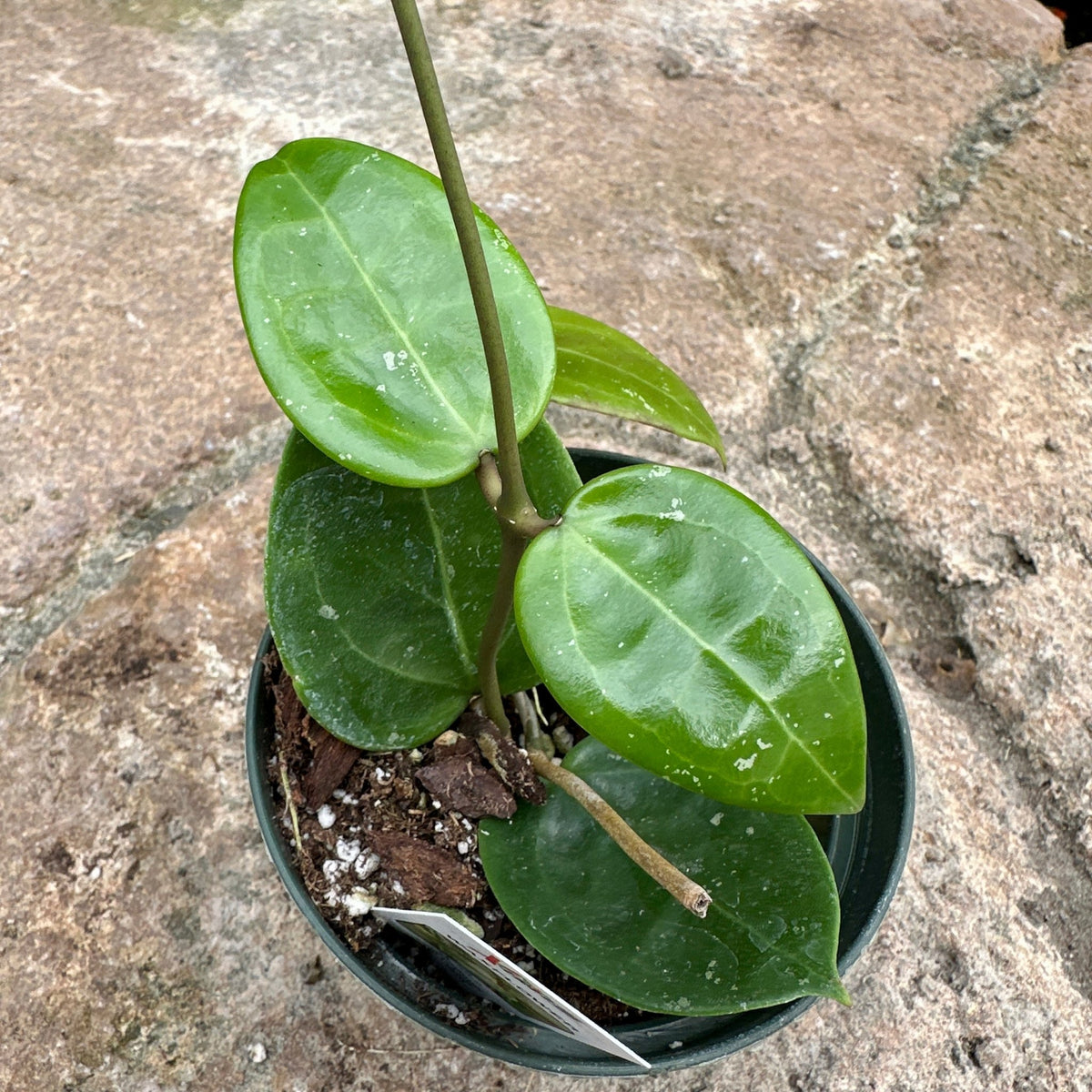
Hoya parasitica. This species is native to the warm, humid regions stretching from Eastern India through Myanmar, Thailand, Indo-China, the Malay Peninsula, and Sumatra to North Borneo. It is one of the most widespread and common members of the Hoya genus, yet remains a prized find for collectors due to its fascinating morphological variability and beautiful blooms.
The plant forms a wiry, twining climber with stems that can reach several feet in length, making it ideal for training on a trellis, hoop, or letting it cascade from a hanging basket. Its leaves are a standout feature: thick, fleshy, and succulent-like, with a firm, glossy texture. The leaf shape is highly variable, ranging from elliptic to broadly ovate, often with a cuneate (wedge-shaped) base. The foliage is typically a rich, deep green, sometimes with silver flecking or a distinctive dark margin depending on the cultivar.
The real reward comes when it blooms. Hoya parasitica produces umbels of fragrant, pearl-colored, star-shaped flowers. The corolla (the main flower) is typically white, creamy white, or pale yellow, and the corona (the central crown) features a striking deep pink or reddish-purple center. The blooms are highly fragrant and appear in clusters, typically in summer. As with all Hoyas, do not remove the spent flower spurs—new blooms will emerge from the same spot year after year.
Care Instructions: Provide bright, indirect light for optimal growth and flowering. An east, west, or south-facing window is ideal—use a sheer curtain to filter harsh direct sun if needed. It thrives in bright, indirect sunlight to dappled shade. Water when the top 1 inch of soil feels dry to the touch. Water thoroughly, allowing excess water to drain completely. These plants are tolerant of underwatering but prone to root rot if kept soggy, so always let the soil dry between waterings.