Collection: Hybrid Collection
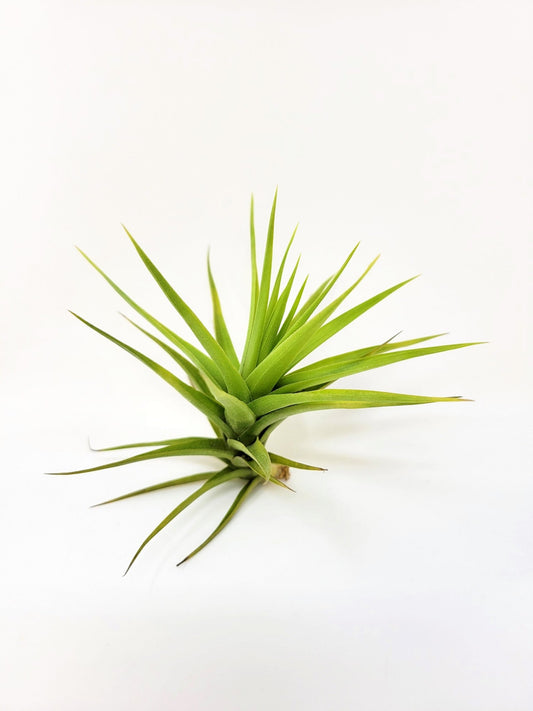
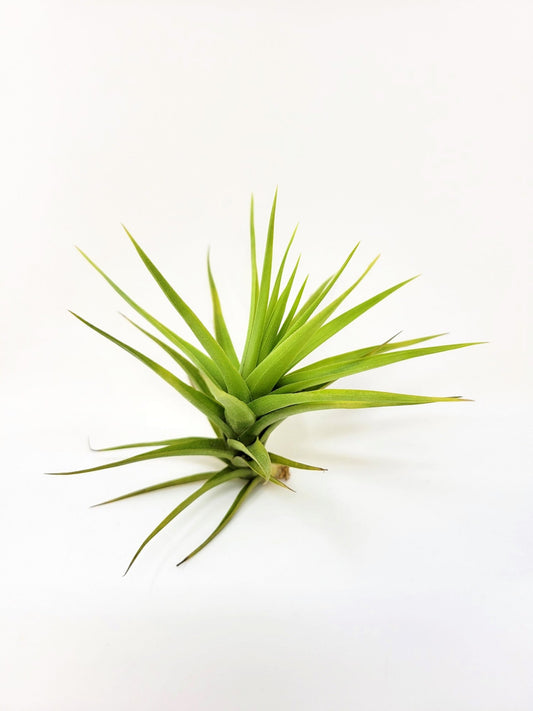
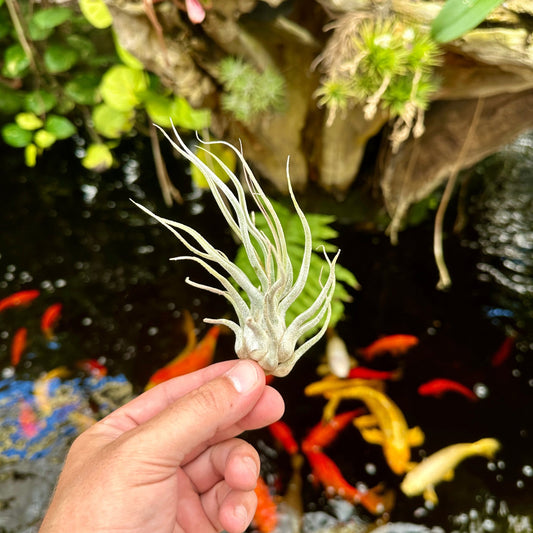
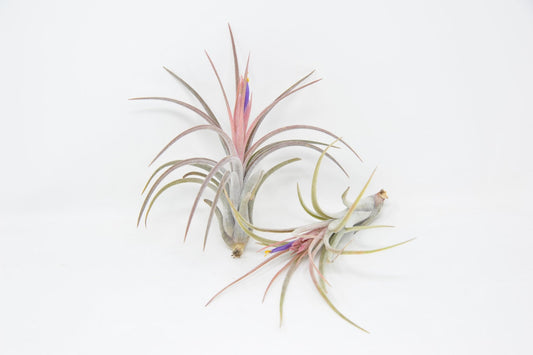
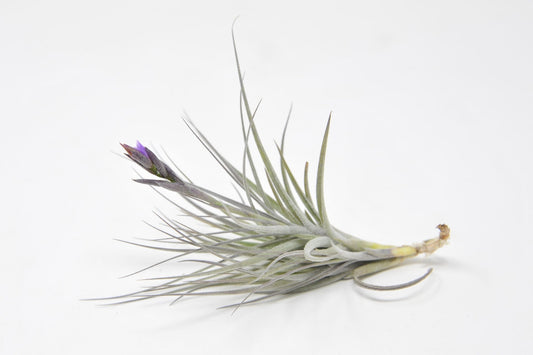
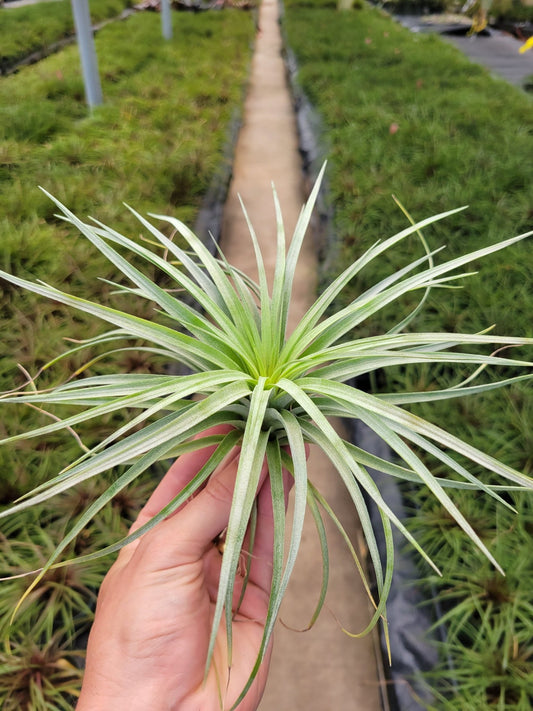
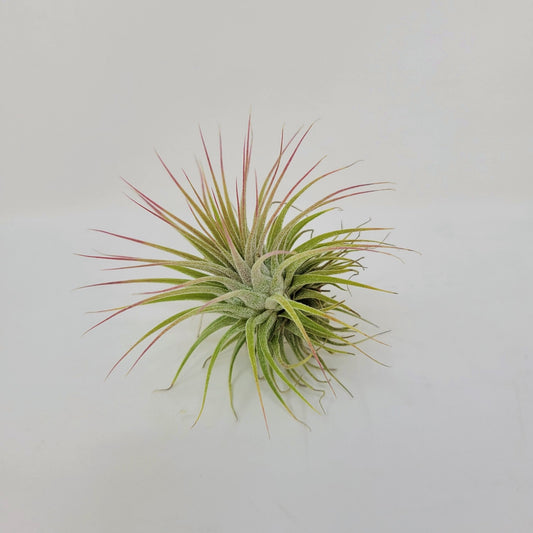
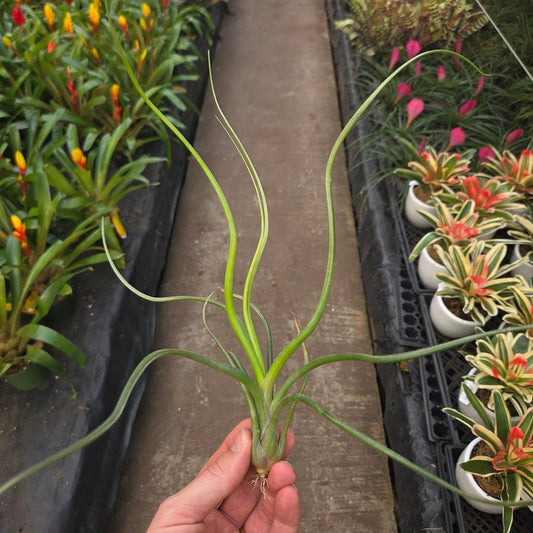
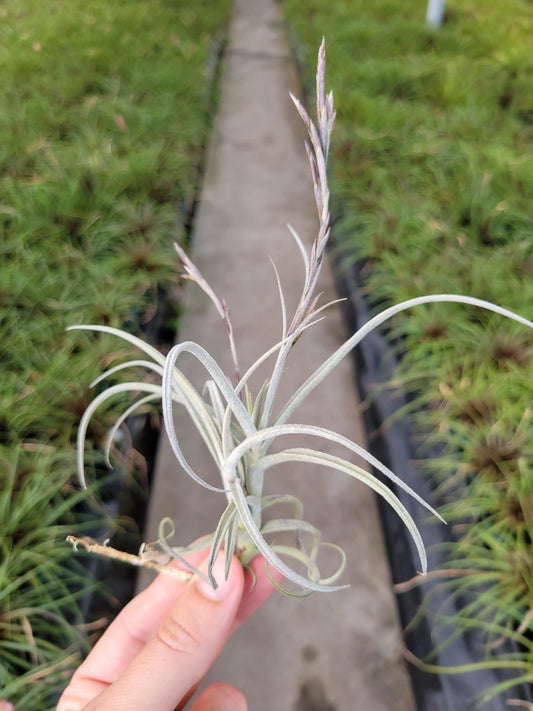
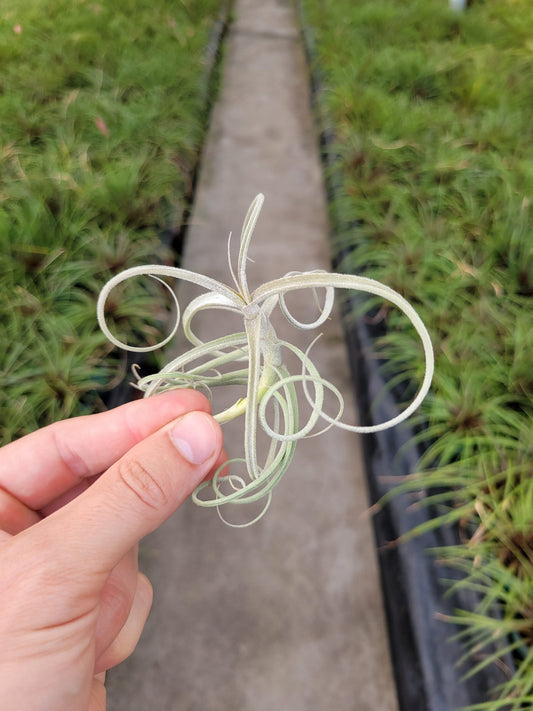
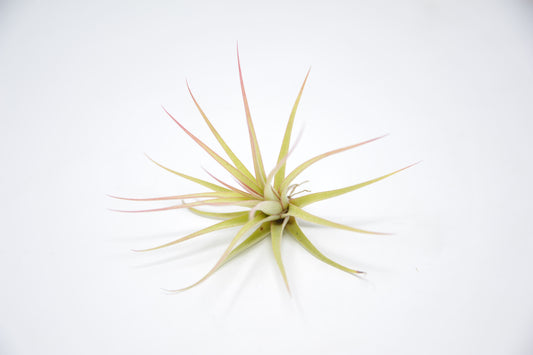
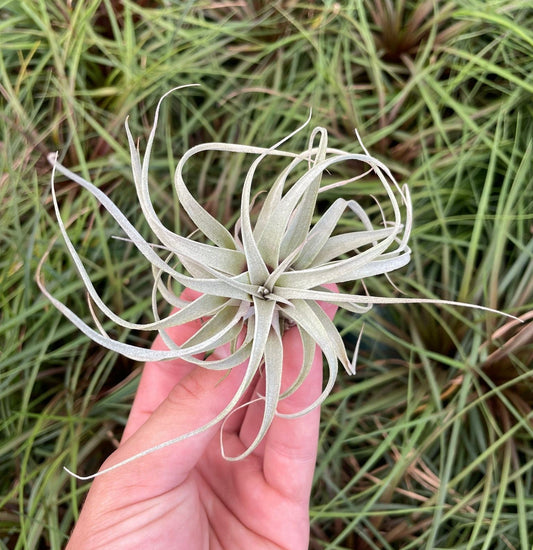
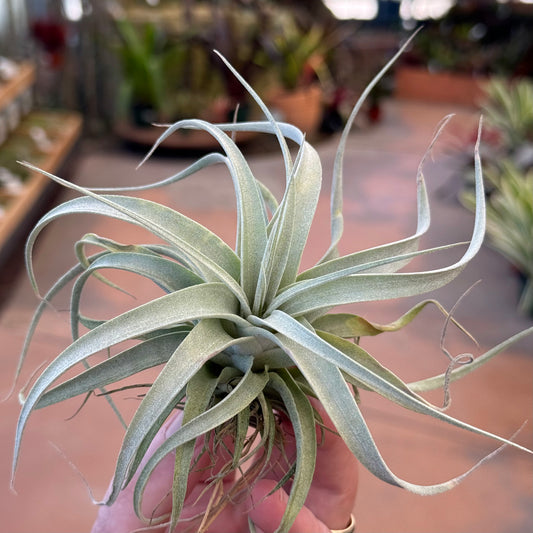
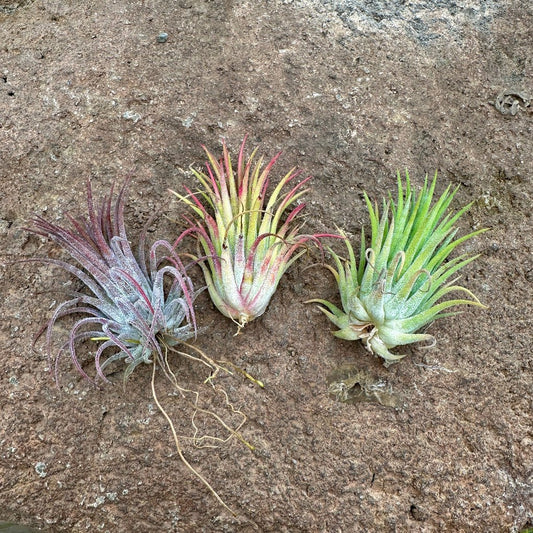
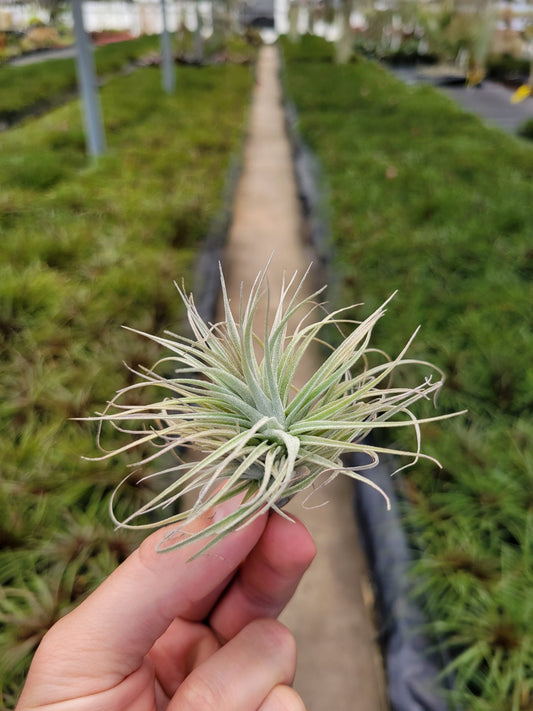
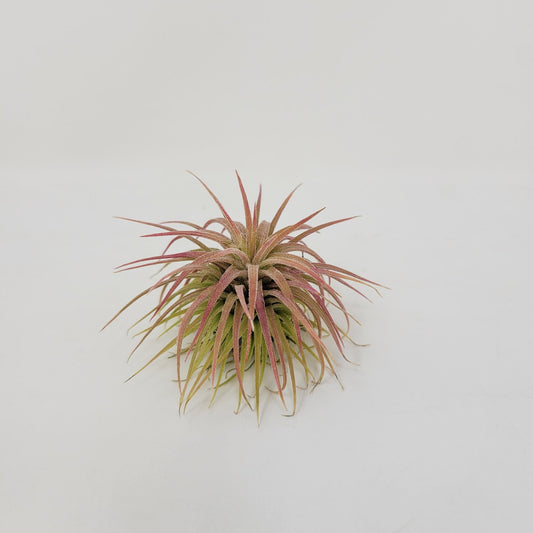
Hybrid Tillandsias are air plants created by crossing two different Tillandsia. Instead of growing naturally in the wild, many hybrids are intentionally produced by transferring pollen from one species to another. This creates a new plant that carries a mix of characteristics from both parents.
Hybrids are interesting because they often display the most appealing qualities of both species. A plant might inherit the soft, silvery leaf texture of one parent while taking on the shape, size, or bloom color of the other. Sometimes the hybrid looks strongly like one parent, sometimes it blends traits evenly, and occasionally it develops unexpected qualities not strongly expressed in either parent. This natural variation makes hybrid Tillandsias exciting and unique, especially for collectors.
Parentage is written in a simple format:
Tillandsia recurvifolia × Tillandsia gardneri
The first name represents the seed parent, and the second is the pollen parent. Knowing this helps growers understand what traits might show up in the hybrid and how closely it may resemble each species.
Creating a new hybrid takes time and patience. After pollination, seeds need months to mature. Seedlings take years to grow, often five to ten years or more before the mature plant reveals whether the hybrid is truly special. Every new hybrid represents years of careful work and dedication.
When a hybrid is consistent, distinct, and considered worth preserving, growers can register it with the Bromeliad Society International (BSI). Registration records the hybrid’s name and parentage and keeps it documented for future collectors and growers. This helps maintain clarity and honors the efforts of the hybrid’s creator.

 Sold out
 Sold out